This course has significantly expanded my understanding of inclusion by shifting my perspective from a classroom-focused approach to a broader systems-level view. Initially, I understood inclusion mainly in terms of instructional strategies and teacher responsibilities. However, through engaging with multiple theoretical frameworks, I came to recognize inclusion as a complex and evolving concept shaped by social, political, and institutional contexts (Griful-Freixenet et al., 2020). This realization has been one of my most important intellectual gains from the course.
A major area of learning involved the theoretical foundations of inclusion, particularly the contrast between the medical model and the social model of disability. Previously, my thinking aligned more closely with the medical model, which emphasizes individual deficits and the need for intervention. Through this course, I developed a deeper appreciation for the social model, which locates disability within structural and environmental barriers rather than within the individual. This perspective aligns closely with inclusive frameworks such as Universal Design for Learning (UDL), which emphasize redesigning learning environments to accommodate diverse learners (Smith et al., 2019, as cited in Frontiers in Education, 2023). As a result, I now view inclusion as a responsibility of educational systems rather than solely of individual students or teachers.
Another significant takeaway was my understanding of UDL as a proactive and systemic approach to inclusive education. UDL encourages educators to design curriculum and instruction in ways that anticipate learner variability, rather than making adjustments after barriers arise (Meyer & Rose, 2006, as discussed in Rao & Tucker-Smith, 2023). The framework’s emphasis on multiple means of engagement, representation, and expression has influenced how I think about lesson planning and instructional design. Importantly, I learned that UDL is not simply a set of strategies but a comprehensive design process aimed at reducing barriers to learning from the outset (Capp, 2022). This has shifted my approach from reactive teaching to more intentional and inclusive planning.
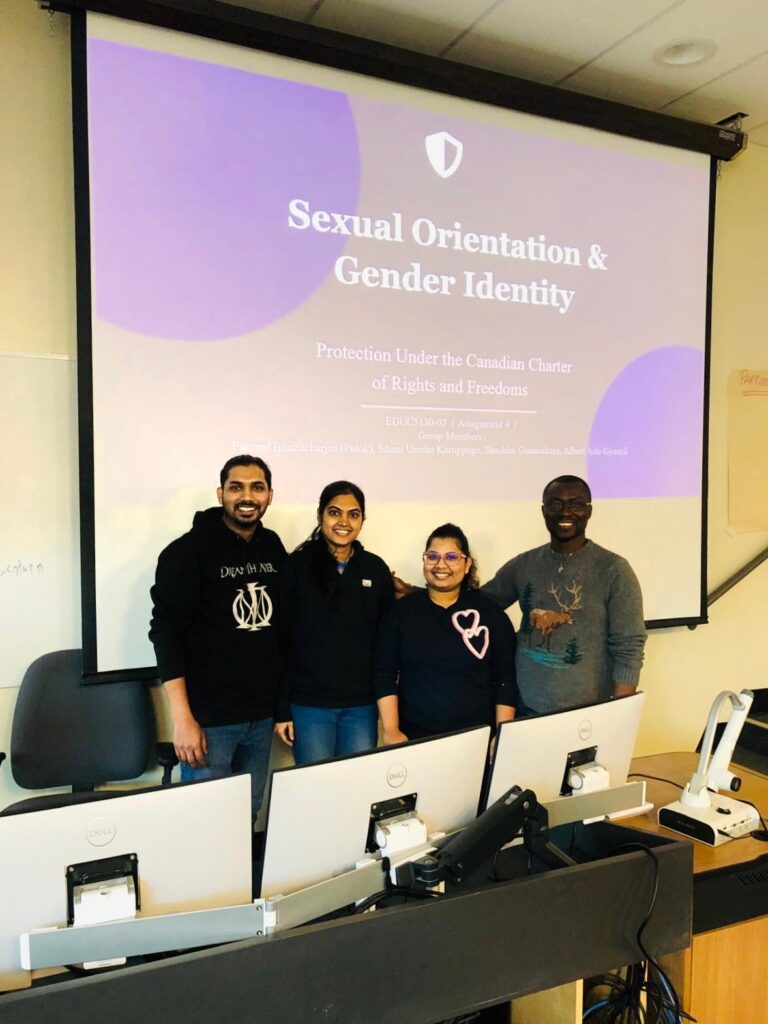
The course also deepened my awareness of how policy and legal frameworks shape inclusive education. Learning about the Canadian Charter of Rights and Freedoms and Human Rights processes helped me understand that inclusion is not only an ethical responsibility but also a legal obligation. Educational policies and funding models directly influence how inclusion is implemented in schools, affecting access to resources, support services, and equitable opportunities for students. This reinforced the idea that teachers operate within broader systems, and meaningful inclusion requires alignment between policy and practice.
In addition, the course highlighted the importance of multidisciplinary collaboration in supporting inclusive education. I learned that effective inclusion requires cooperation among teachers, specialists, families, and communities. Research shows that collaborative approaches and partnerships, particularly with families, are essential for creating equitable and inclusive educational experiences (Oh et al., 2025). This insight has strengthened my understanding of teaching as a relational and collaborative profession rather than an isolated practice.
Another key learning outcome was recognizing the relationship between policy, practice, and student behavior. The course encouraged me to view student behavior not as an isolated issue but as a reflection of broader systemic factors, including teaching methods, school culture, and policy frameworks. Inclusive practices that reduce barriers and increase engagement can positively influence student participation and learning outcomes.
Furthermore, the course challenged me to move beyond a narrow, disability-focused understanding of inclusion. I came to understand inclusion as a broader concept that encompasses diversity in culture, language, and socio-economic background. This aligns with inclusive education literature, which emphasizes designing learning environments that support all students, not just those with identified disabilities (Lowrey et al., 2017). This shift has encouraged me to adopt a more holistic and equity-oriented perspective in my future teaching practice.
Finally, the course prompted me to think critically about the challenges of implementing inclusive education at a systemic level. Managing change within educational systems requires strategic planning, leadership, and collaboration. Inclusion is not achieved through isolated efforts but through sustained and coordinated change across multiple levels of the education system. This understanding has made me more aware of the complexities involved in educational reform and the importance of long-term commitment to inclusive practices.
In conclusion, this course has been highly transformative in shaping my understanding of inclusion. It has broadened my perspective from focusing on individual teaching strategies to recognizing inclusion as a systemic, rights-based, and socially constructed process. The integration of theory, policy, and practice has strengthened my ability to think critically about education and has prepared me to contribute more effectively to inclusive and equitable learning environments in my future career.

Leave a Reply